The Dark Alchemy of Tenebris Somnia

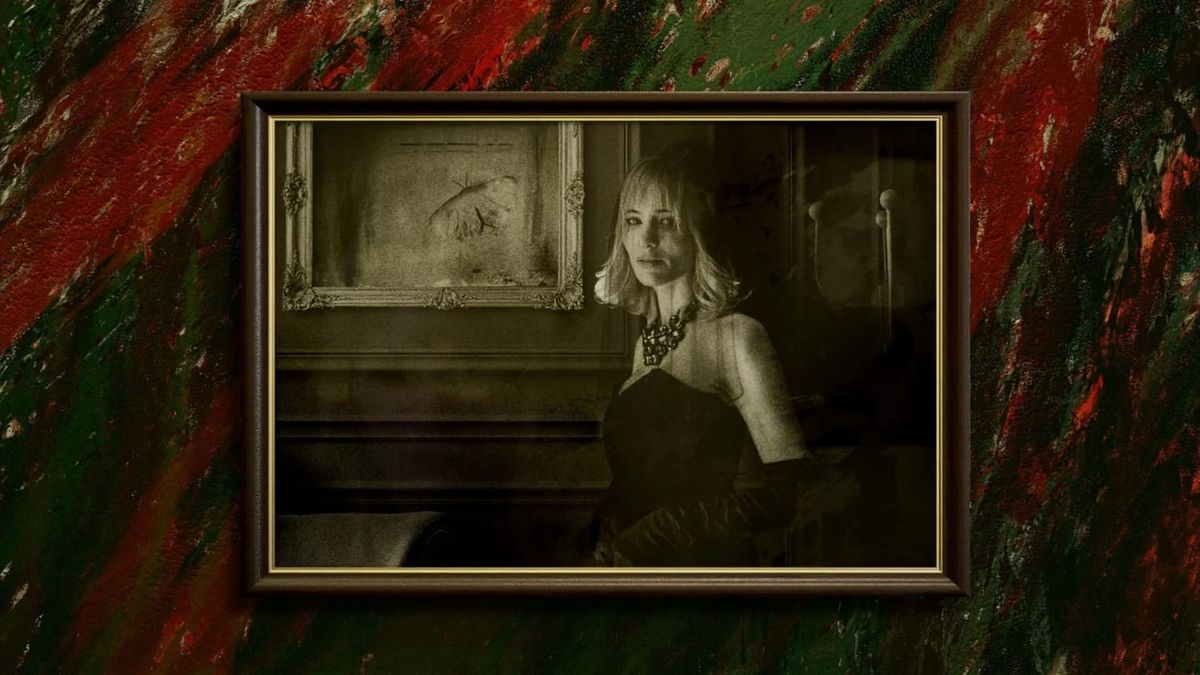
There likely isn’t a subject matter in games as simultaneously overused and underutilised as alchemy. In RPGs like Baldur’s Gate 3 or The Witcher series, alchemy is usually little more than a fancy name for fantasy chemistry used to craft potions and elixirs. Alchemy and its twin Hermetical art astrology also frequently pop up in survival horror games, which use its treasure trove of symbols and secret correspondences as a basis for various puzzles while for the most part ignoring its substance.
There are, however, a few survival horror games that get alchemy right. One of them is Caput Mortum, a short but sweet dungeon crawler set in an alchemist’s tower. Another is Tenebris Somnia, a game that is quite a few things at once: a modern tribute to retro horror games; a story about toxic relationships and how abuse distorts our memories, perceptions and sense of self; an exploration of the magic of art, technology and film making; and finally a game that understands how to use the subject matter of alchemy to bring all these seemingly disparate facets together in effective and creative ways.
For the majority of the game, Tenebris Somnia seems to follow the classic Silent Hill 2 blueprint of psychological horror: a protagonist with a guilty conscience is drawn to the scene of their ‘crime’ by some sort of eerie message. There, they are forced to confront physical manifestations of their guilt in the guise of warped spaces and monsters. In the case of Tenebris Somnia, we are led to believe that our protagonist Julia mistreated her ex-boyfriend Ivan by abandoning and ghosting him out of the blue.
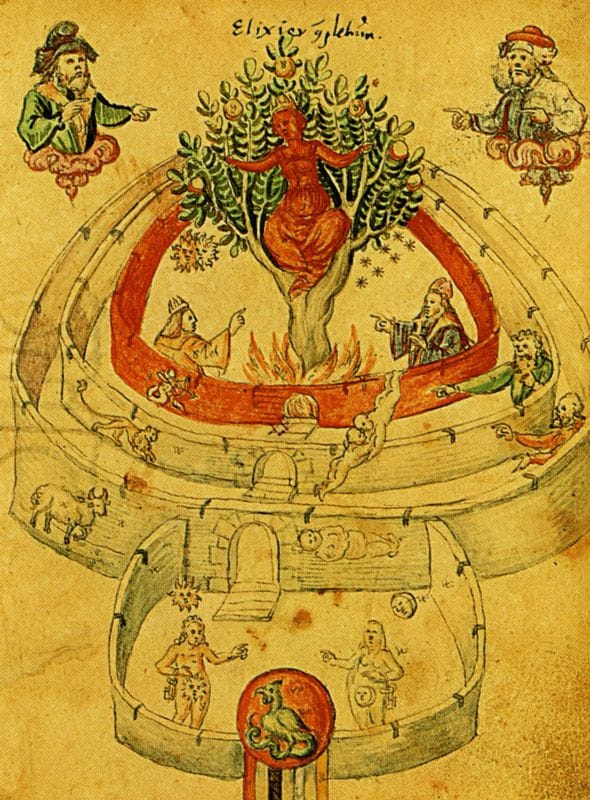
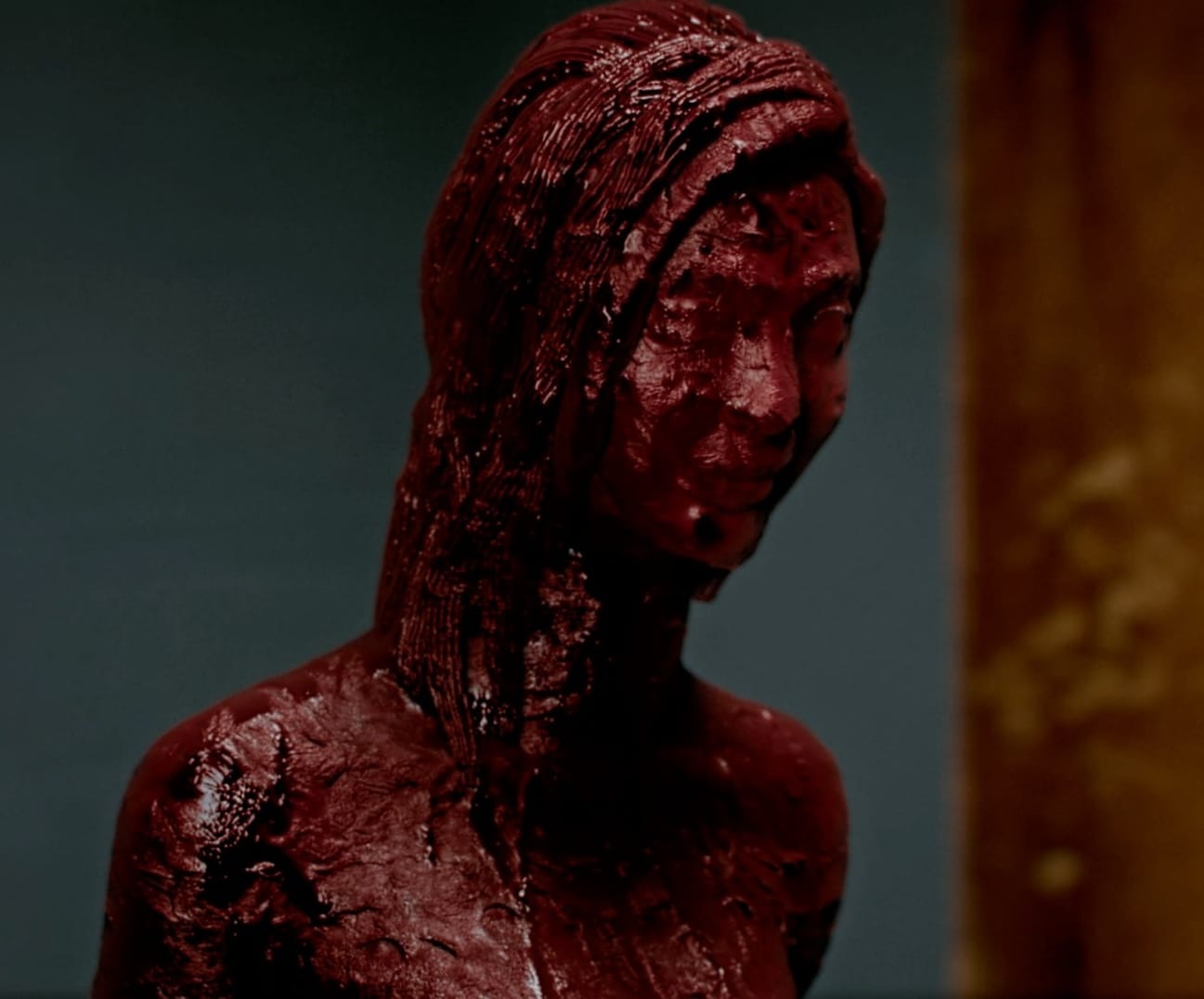
Left: An illustration from the book Pretiosa Margarita novella, 1577–83, depicting the path towards creating the philosopher's stone. The red body in the centre symbolises the philosopher's stone. Right: A Rubralacra, associated with the false stone or Lapis Fictus in Tenebris Somnia.
For the first half or so of Tenebris Somnia, the narrative thrust and symbolism seems clear: Our protagonist Julia is haunted by guilt (her nightmares) after abruptly abandoning her ex-boyfriend Ivan, which compels her to revisit her past (the apartment she once shared with Ivan). By confronting the consequences of her actions as well as her pain and lingering feelings for Ivan, she ‘purifies’ her soul and can finally start to heal.
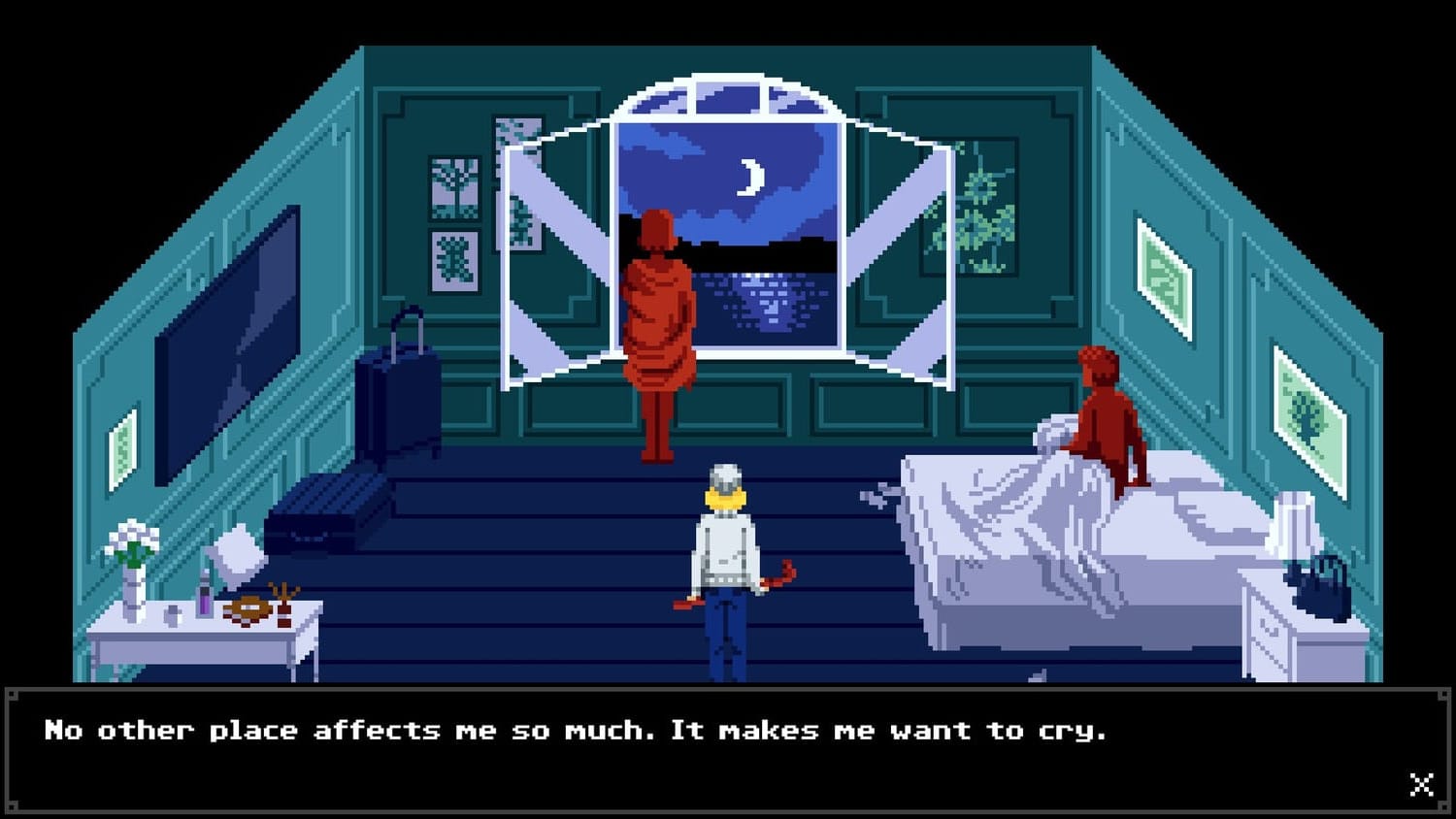
At one point, the metaphor becomes quite literal. Julia needs to purify the contents of a silver bowl in the light of the moon. The only place where the moon shines, however, is within the manifestation of a holiday memory of the very night Julia decided to leave Ivan. The language and symbolism of alchemy—with the moon corresponding to silver, the purest metal after gold—seem to be employed as a neat metaphor for a process of psychological transmutation as denial becomes acceptance.
If that was where the game ended, however, I probably wouldn’t be writing about it now. It would be just a little too neat to be interesting—but that, of course, turns out to be precisely the point. Just when Julia is ready to accept the full blame for everything that happened and to sacrifice a part of herself in order to safe Ivan, the pleasing little narrative of purification and acceptance is revealed to be a construct designed precisely to bring Julia to where she is now, at the mercy of a narcissistic, spiteful manipulator and gaslighter.
This is also the point where the true significance of alchemy within the game becomes apparent: Just as the alchemist seeks to both physically and spiritually elevate the base first matter or prima materia of a fallen world, using the properties of that very matter to reverse the process of degradation step by step, Ivan uses the ‘fallen’ Julia—the one who finally saw through his cruelty and lies and decided to leave him—as his corrupted prima materia from which to create a ‘pure’, uncritically submissive and adoring version of Julia. This is his magnum opus. An ominous text full of alchemical images and concepts found in Ivan's apartment encapsulates his goals and his view of Julia:
Adorned with the blue of silver, she walks upon the raw material, fleeing from transmutation. She is this one; she does not want to be that one.
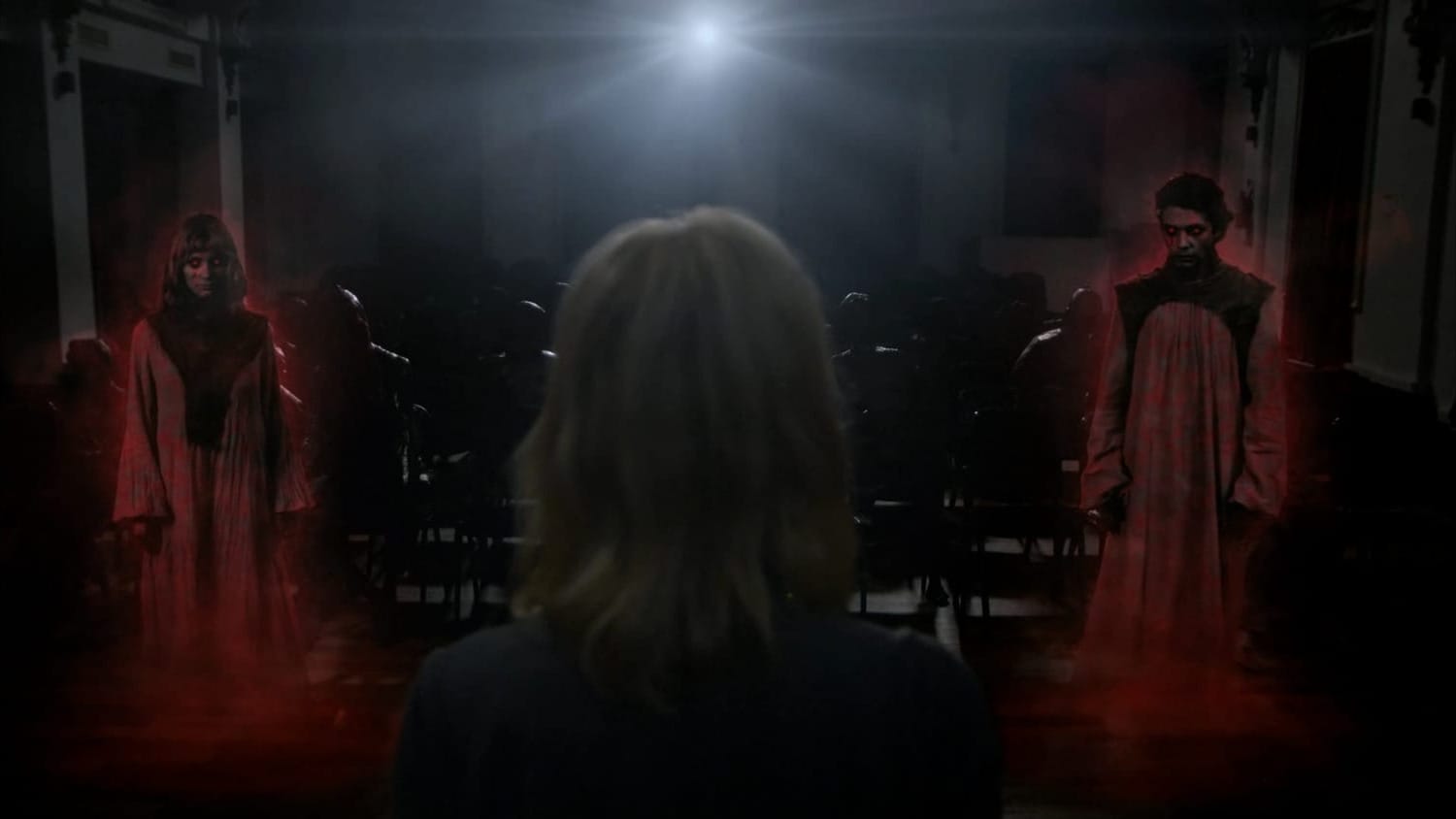
There is, however, one central difference between the goals of alchemy and Ivan’s: While ‘true’ alchemy is all about making creation whole again, the kind practised by Ivan and the Relicta relies entirely on fragmentation and division. Tenebris Somnia makes it clear that there are two kinds of alchemy, or rather two paths towards purification:
We all seek the LAPIS PHILOSOPHORUM, the stone that purifies the being, elevating it to divinity. Its quest is long, perhaps eternal, and tests the human soul at every turn. There are those who have given up this quest and chosen the easy path by crafting a lesser imitation, the LAPIS FICTUS. This false stone expels the CORRUPT PART of the soul from the body, achieving, in theory, the same effect.”
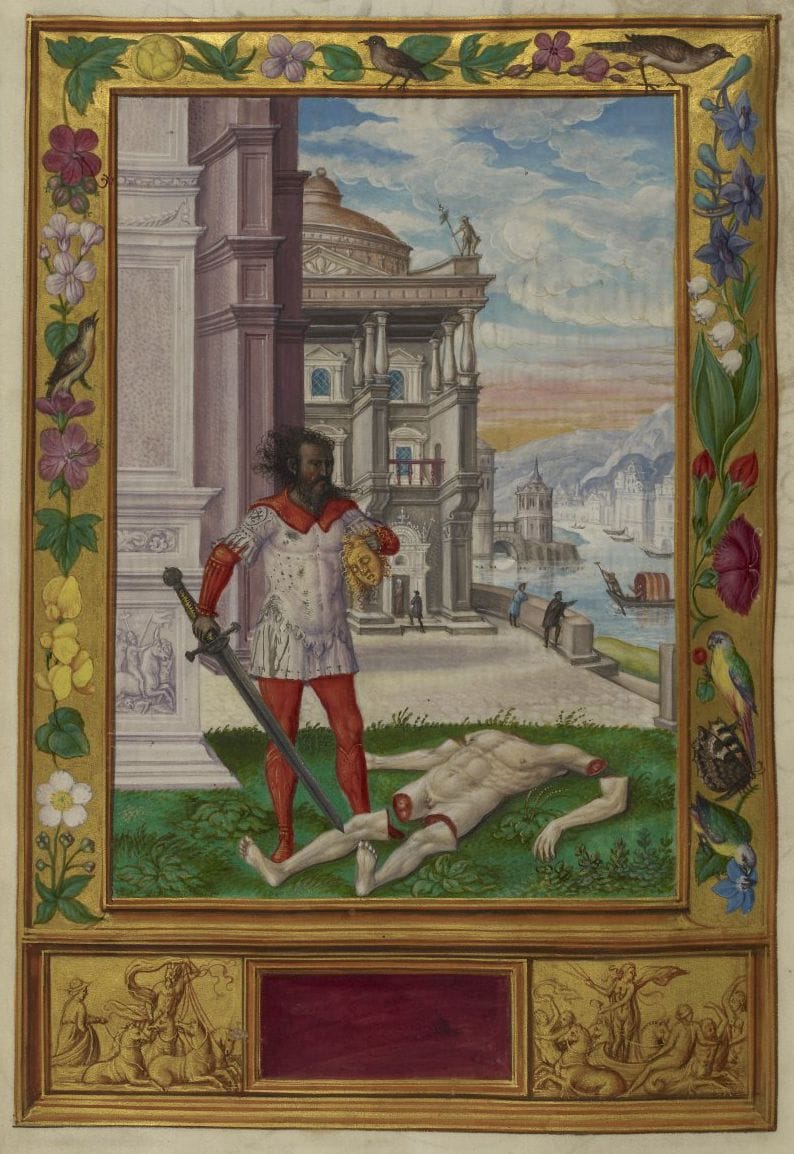
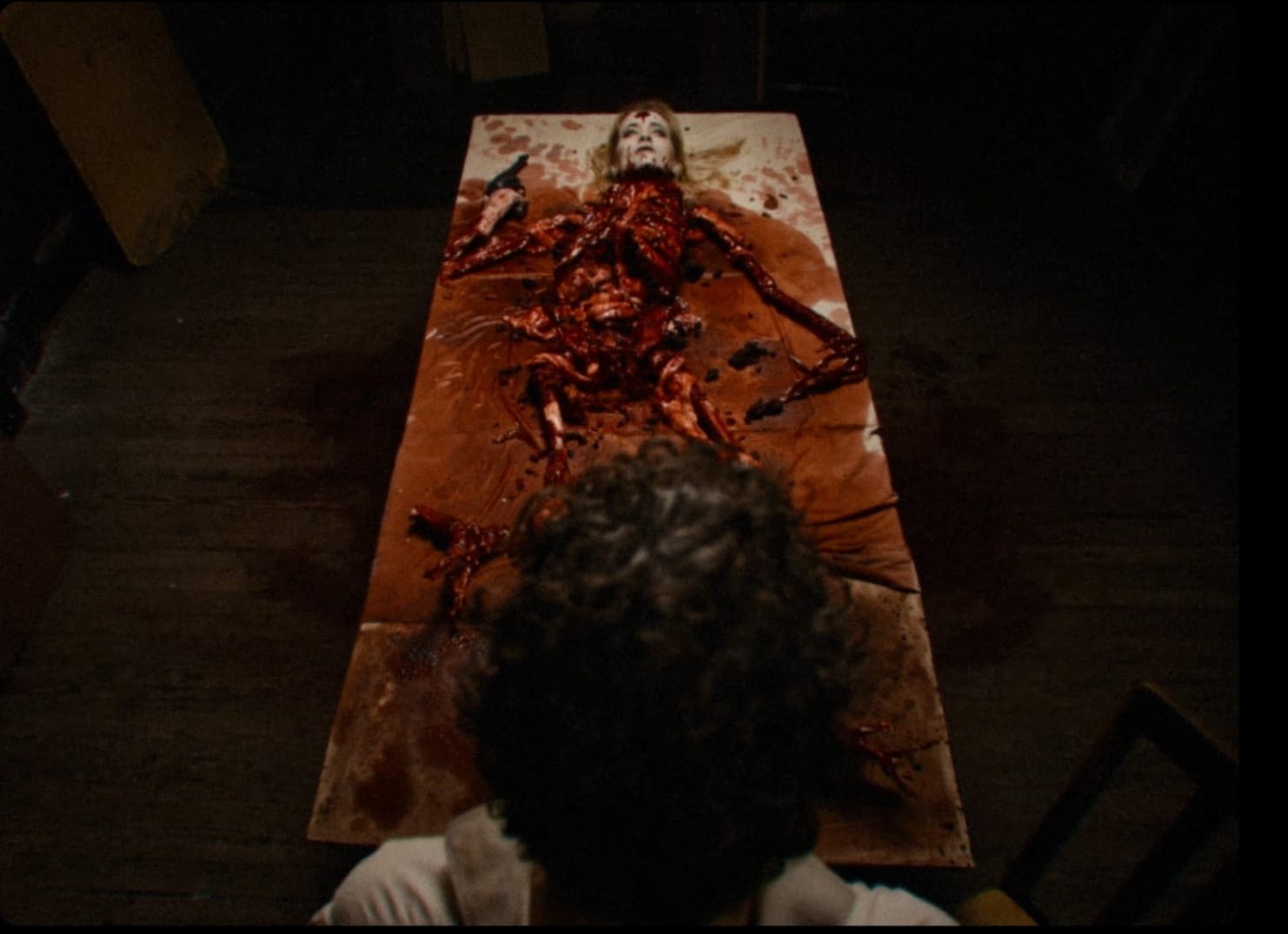
Dismemberment and putrefaction are often used metaphorically in alchemical texts and images. A substance must be broken down before it can be remade into something better. Hence the motto "Solve et Coagula", meaning 'dissolve and coagulate'. Left: An illustration from the book Splendor Solis (16th century). Right: Julia playing a mutilated corpse for Ivan's film Devora.
The juxtaposition of mirrored pairs comes naturally to alchemical and Neoplatonic thought: If there exists a spiritual counterpart or ideal for everything in existence, it only makes sense that the same is true of the art of alchemy itself. The Lapis Fictus is to the Lapis Philosophorum as the ‘dark’ material sun of our world is to the true spiritual sun. And just like the true Platonic shape of things, the Lapis Philosophorum might be forever out of reach of our flesh and blood hands.
Tenebris Somnia, too, is full of doublings. Both mirrors and negative images loom large throughout the game, but the game’s preoccupation with reflections and inversions extends beyond the symbolical and into the structure of the narrative.
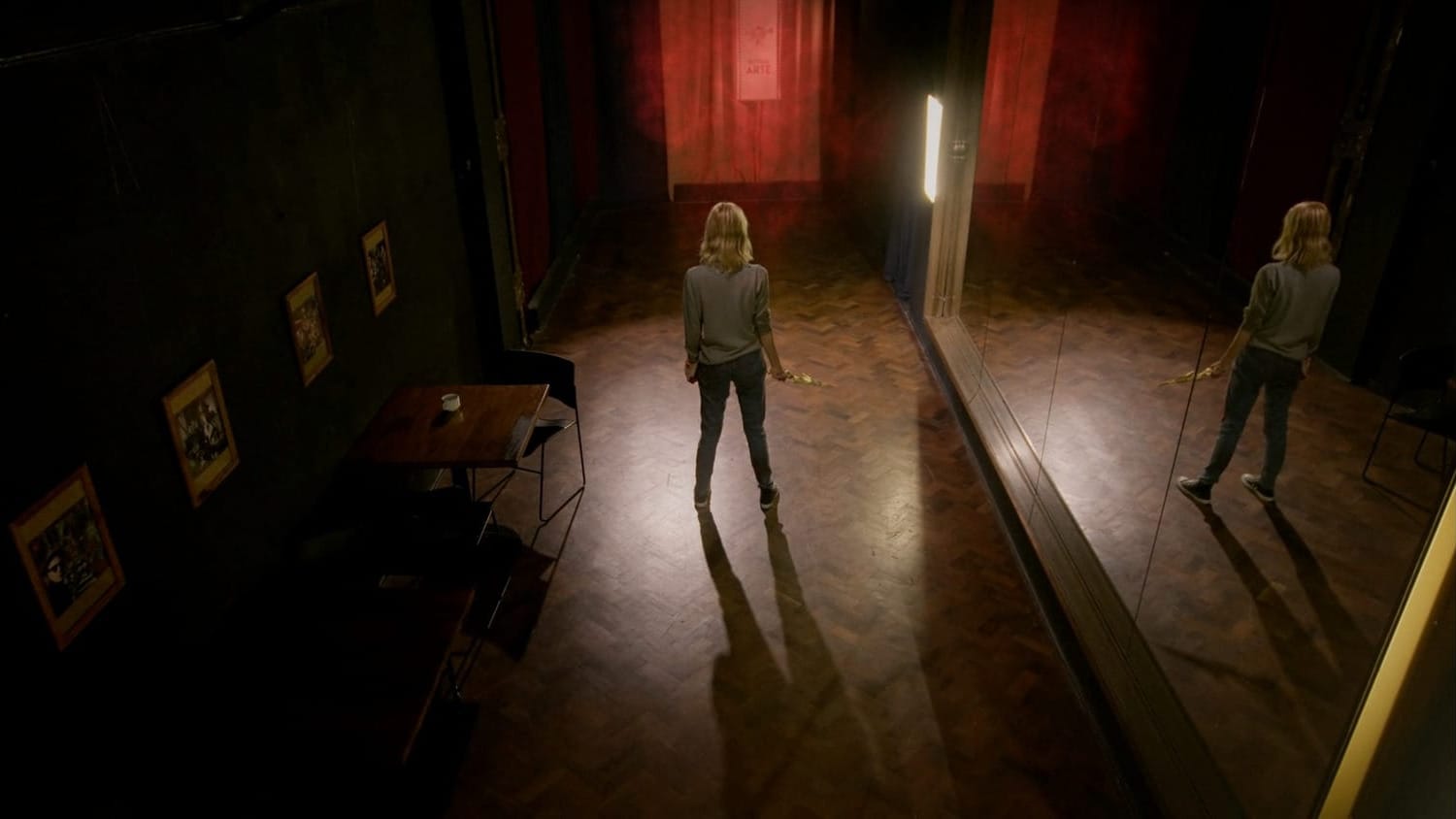
Take, for example, Julia’s confrontation with the moonlight-tinged holiday memory. In the first narrative arc, it marks a kind of false epiphany which acts as a catalyst that directly leads to Julia’s self-sacrifice. The second arc has a scene that mimics the first one and fulfils the same essential narrative function: Once again, Julia confronts the moonlight memory, and once again she has an epiphany that leads to a reckoning or resolution. Alchemically speaking, both confrontations are the last step of a ritual of purification, with the second one culminating in the creation of the Aurifer or ‘gold-bearer’. The crucial difference between the two, of course, is the nature of the second, true epiphany, which exposes both the falsity of the first one and the profound emotional and physical abuse Ivan inflicted on Julia.
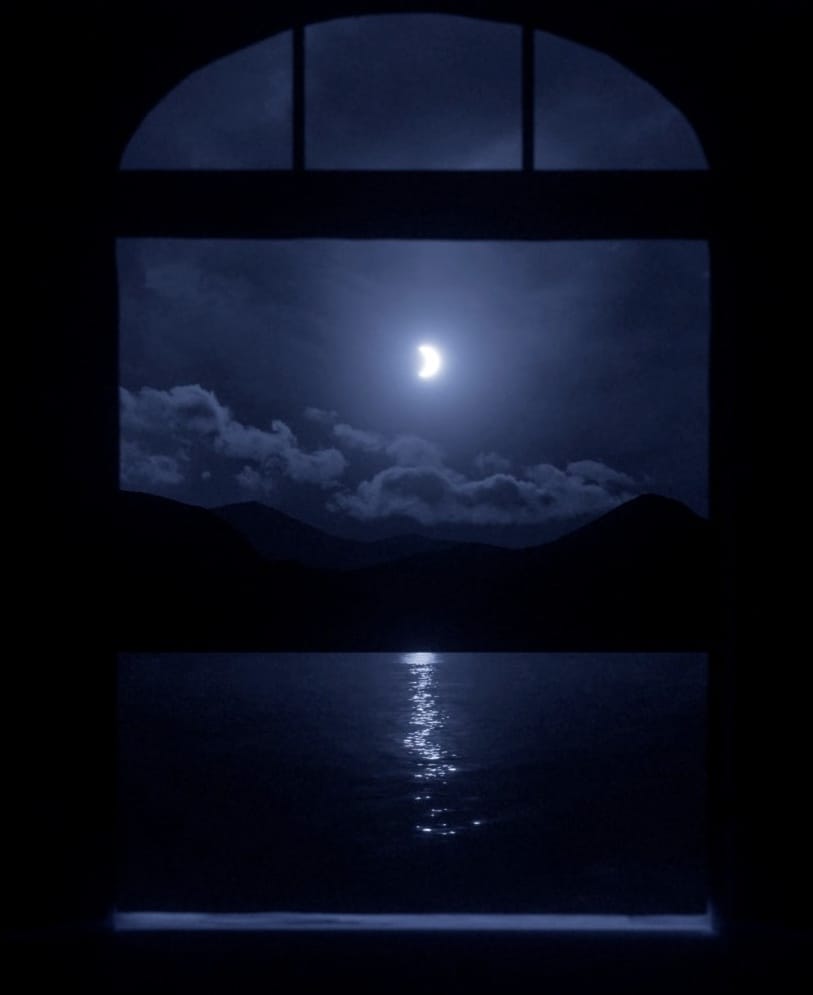
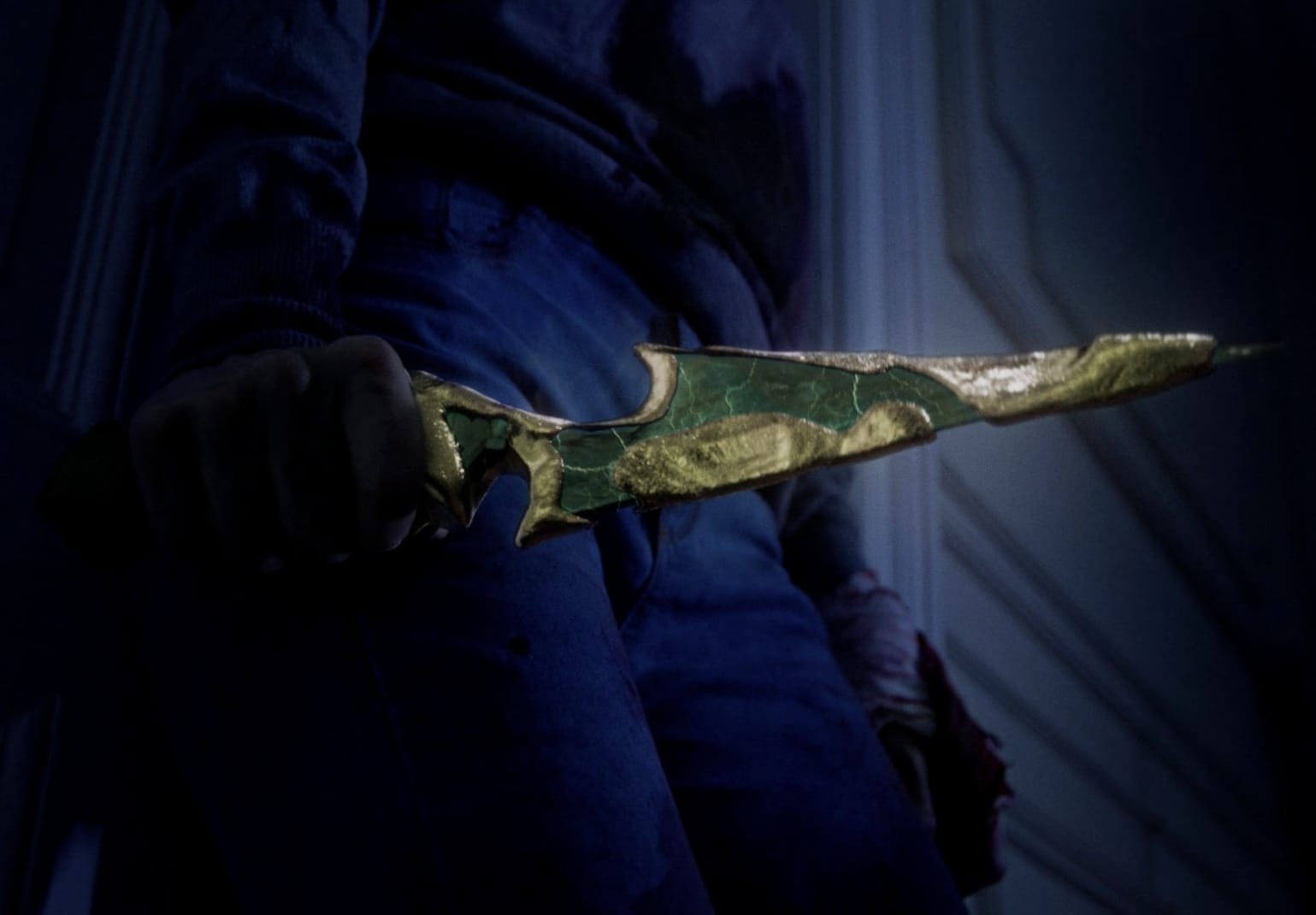
The moonlight transforms the green viridis knife into the golden Aurifer.
The second epiphany has yet another function: It drives home a preoccupation at the heart of the game, namely the manipulative and dangerous potential of all art and artifice. Just like alchemy, art takes the the raw materials of life and transmutes them into something else, something far more than the sum of its parts—there is a good reason an alchemical term like ‘magnum opus’ today is practically exclusively used with regard to art. In Tenebris Somnia, the distinctions between alchemy, occultism, lies and film-making eventually dissolve completely as it becomes clear that Julia has entered what is basically a constructed microcosm. What Julia—and by extension we as players—see has been selectively edited like a film and the stage carefully set by the demiurge Ivan long before our arrival.
The same is of course also true of the game itself. It, too, is a construction designed to have a certain effect on its audience, transmuting the ‘prime matter’ of dead pixels into a small world for us to interpret and interact with. This is also why the live-action sequences of Tenebris Somnia are an integral and meaningful part of the game rather than just a fun visual gimmick. These transitions from pixel art to film and back give certain moments in the game a heightened sense of immediacy and reality, while at the same time highlighting the artificiality of the game and its world.
Given our modern aesthetic bias that privileges realism over other forms of visual representation, it would be easy to implicitly assume that the live-action sequences grant us a glimpse of how the game’s world ‘really is’. By the end, however, Tenebris Somnia has thoroughly dismantled such naive assumptions. There is only the magic of art, and its dark mirror image, deception.